

Classifying waste from Major Permitted work
The utility sector has been through a very interesting time when it comes to classifying their waste in recent years.
Since 2018, various Regulatory Position Statements (RPS) provided dispensation from the need to test and classify arisings from any “unplanned” utility works. Then from October 2025 the new Streetworks UK (SWUK) Waste Classification Protocol permitted the use of a site based Risk assessment to classify waste from all works that weren’t under a Major permit.
The common theme throughout is that “planned works” (defined by those completed under a Major permit) have never been exempt from the need for a full waste classification process. The other common theme that we have realised since being involved in the sector is that rarely is this done, with many contractors using the RPS’s as a “capture-all” for every site.
The need for a full WM3 compliant process has come as a shock to many from a logistical, technical and commercial perspective. Given the time frame for sampling, testing and reporting it is easy to understand why. It takes planning, foresight, possible investigation work work ahead of the actual work, all of which adds complexity compared to what was previously done….even if what was previously done wasn’t strictly legit!
So in practice, what does need to be done:
Develop a sampling strategy
All testing for waste classification purpsoes should be completed in line with a sampling strategy. For utility sites it is likely that an overarching one can be developed, as the work, and the waste, is generally quite consistent.
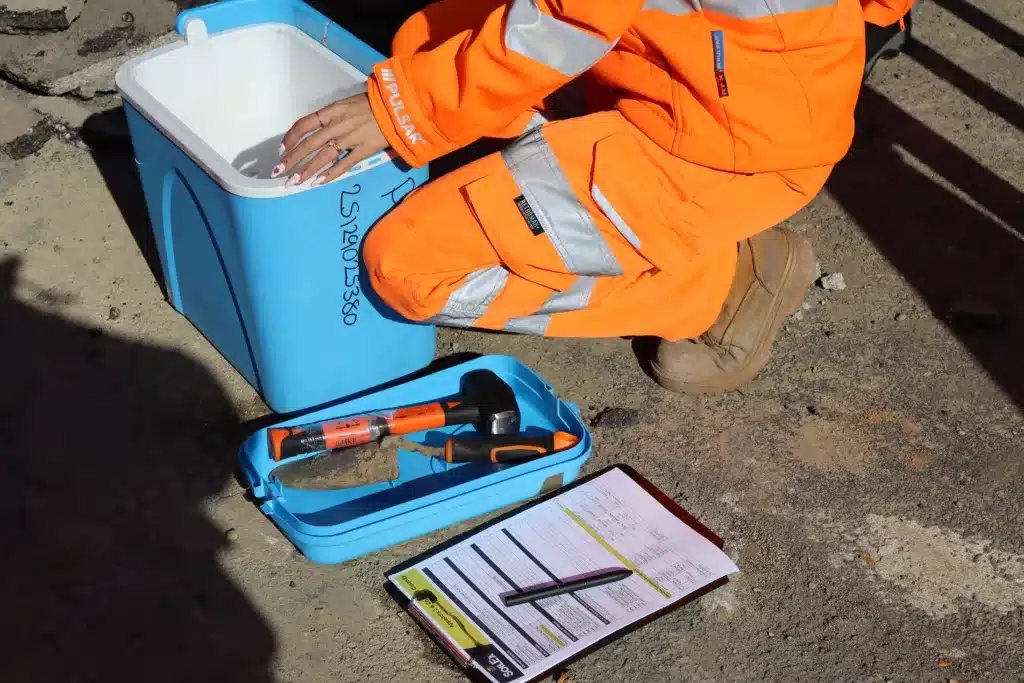
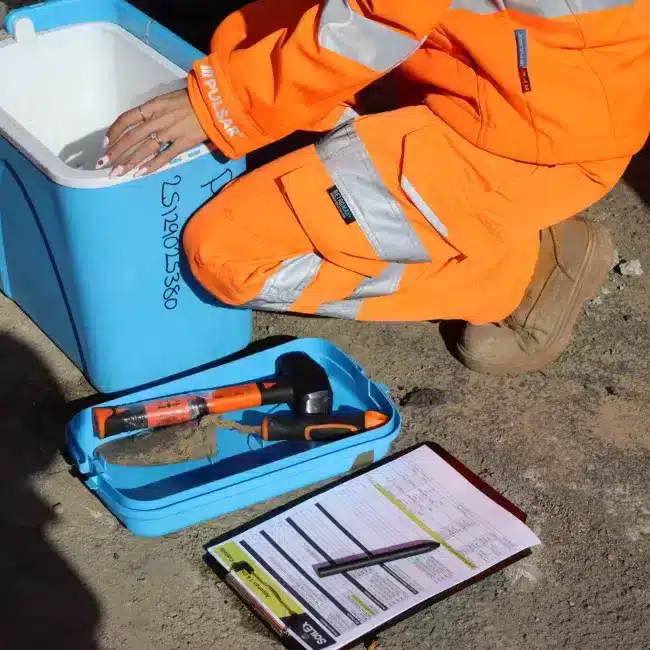
Sample the waste
Sampling may happen ahead of time, or when the site first breaks ground. The key is to ensure there is enough time to get the results back and classified before the waste needs to be moved.
Test at an accredited lab
Testing each waste stream (asphalt, made ground soils, natural soils) for the relevant contaminates in crucial, as is testing at an accredited lab. Currently Rapid Measure Testing (RMT) isn’t supported as an initial waste classification assessment, however it is rumoured to be a future development. That said, there is an option to use RMT for assessing asphalt which is supported within the ADEPT guidance on managing asphalt waste containing coal tar.
Classify the results
This isn’t typically something that is completed by the lab. Most will just issue data, but not the assessment of it. I know this has surprised a few contractors! The devil is in the detail, and a proper assessment will confirm if your waste is contaminated or not, and aid in how it is managed.
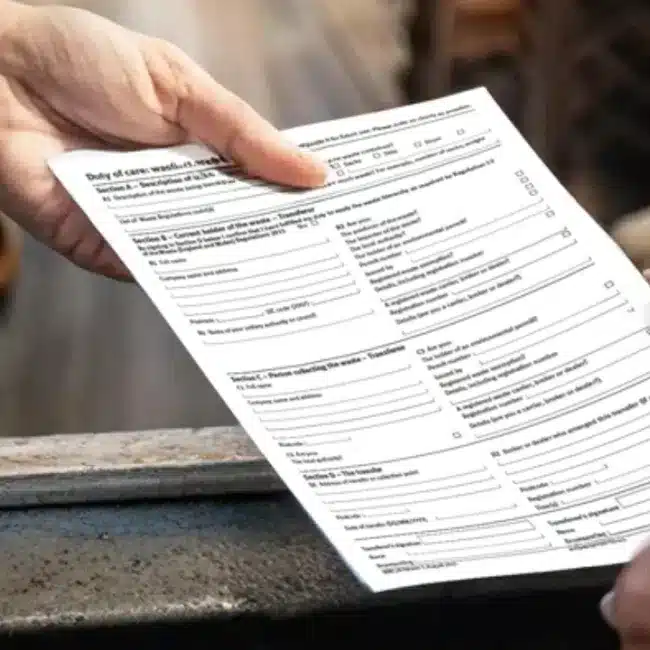
Once this is complete, the waste can then be managed correctly. The results and assessment will allow permitted facilities to determine if they can accept the waste, and the paperwork will ensure the waste producer, and the waste movement is compliant.

Ready to Start your next Project?
Contact SoilEx today and discover better waste management solutions.
Address
Head Office: 104 Russell Building, West Common, Harpenden AL5 2JQ
Regional Office: Unit 11, Millennium Business Park, Enterprise Close, Mansfield, NG19 7JY
Phone
Connect with us

At SoilEx, we deliver expert waste management solutions that help our clients identify significant cost savings on any construction project.
CALL US
ADDRESS
Head Office: 104 Russell Building, West Common, Harpenden AL5 2JQ
Regional Office: Edem Barn, Gainsborough Rd, Everton, Notts DN10 5BW