

How soil testing on construction sites can lead to increased profits
Most construction generated waste soils will need testing and analysis to enable them to be classified as either Non-hazardous or Hazardous. Furthermore, WAC leachate analysis is often beneficial to determine suitability for disposal at an inert restoration facility as this is generally the most cost-effective option for soil disposal.
Most construction generated waste soils will need testing and analysis to enable them to be classified as either Non-hazardous or Hazardous. Furthermore, WAC leachate analysis is often beneficial to determine suitability for disposal at an inert restoration facility as this is generally the most cost-effective option for soil disposal.
However the “modus operandi” in the construction industry is to use the Phase II site investigation information to classify the waste soils, and there are several reasons why this information is often not fit for purpose.
- The remit of these reports from a chemical analysis of the perspective of the soil is to assess the risk to end-users of the site and not for waste classification
- The suite of analysis to assess risk isn’t what is required to classify soils. For example, TPH and asbestos quantification analysis is often missing
- Often there is no WAC testing performed at all meaning soils cannot be deemed suitable for inert disposal
- The frequency of testing isn’t sufficient to meet the guidelines for waste classification and the location of the samples often doesn’t match the areas and depths of the excavation
- If “hotspots” are found, further analysis isn’t conducted to accurately segregate them
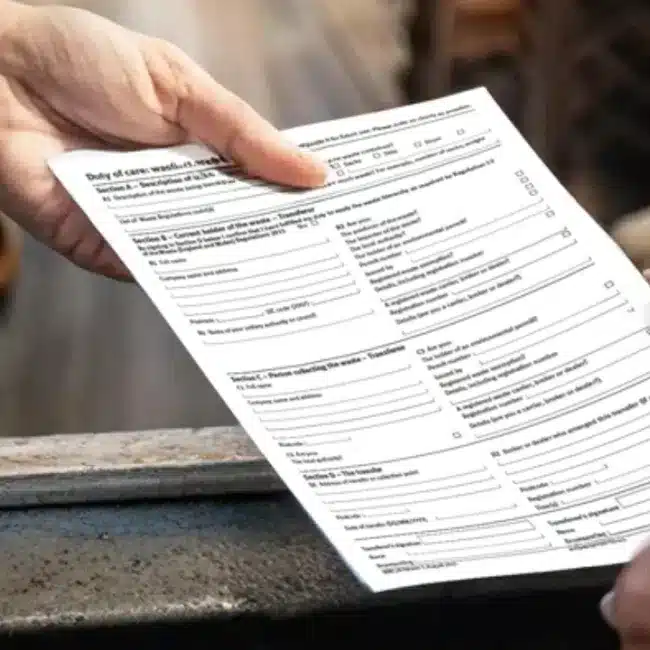
Nearly all Phase II site investigations suggest further work to classify waste soils, however, due to financial and time constraints, or a lack of understanding, this is often not done. Contractors are asked not only to tender but to classify and remove the waste based on the insufficient information, and the supply chain works with it because frankly, they wouldn’t have a business if they didn’t. That being said, this process drives constant non-conformance and promotes risk for all involved.
As the regulator has now switched on to this and formed a task force with the HMRC we are going to see many prosecutions and fines imposed, from the developer right through to the waste carriers and receiving facilities, so all in the chain are going to have to improve processes. However, this doesn’t just have to be about compliance.
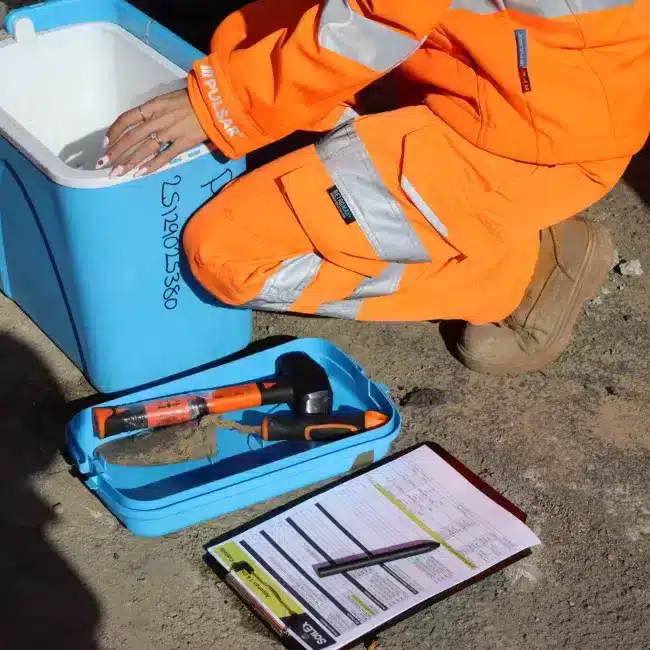
Engaging with a partner that can provide soil sampling and testing services doesn’t just have to be a cost to the business, especially on brownfield contaminated sites. With the right plan, understanding of the waste disposal or recovery options available, targeted and specific analysis and with the use of improved technologies such as Rapid Measure Testing, volumes of contaminated soils, and of waste, in general, can be minimised and re-use and recovery can be championed.
Your waste consultant should just be telling you what the classification of your waste is, they should be partnering with you to fully understand your responsibilities to promote waste reduction and recycling and reducing your risk and making you savings.

Ready to Start your next Project?
Contact SoilEx today and discover better waste management solutions.
Address
Head Office: 104 Russell Building, West Common, Harpenden AL5 2JQ
Regional Office: Unit 11, Millennium Business Park, Enterprise Close, Mansfield, NG19 7JY
Phone
Connect with us

At SoilEx, we deliver expert waste management solutions that help our clients identify significant cost savings on any construction project.
CALL US
ADDRESS
Head Office: 104 Russell Building, West Common, Harpenden AL5 2JQ
Regional Office: Edem Barn, Gainsborough Rd, Everton, Notts DN10 5BW